

Since May is Mental Health Awareness Month, there’s always a focus on what you can do to take care of yourself. While the everyday person might rely on the general breathing tips, athletes have found ways to tackle their mental so they can optimize physical performance.
During the 2020 NFL Draft, a lot of athletes had to get creative in the face of adversity when colleges shut down due to the pandemic. The results? Things anyone can do. Their tactics ranged from yoga to makeshift home gyms, but these things worked for their physical and mental health.
I’ve taken five tips from athletes that you can use to optimize your mental game.
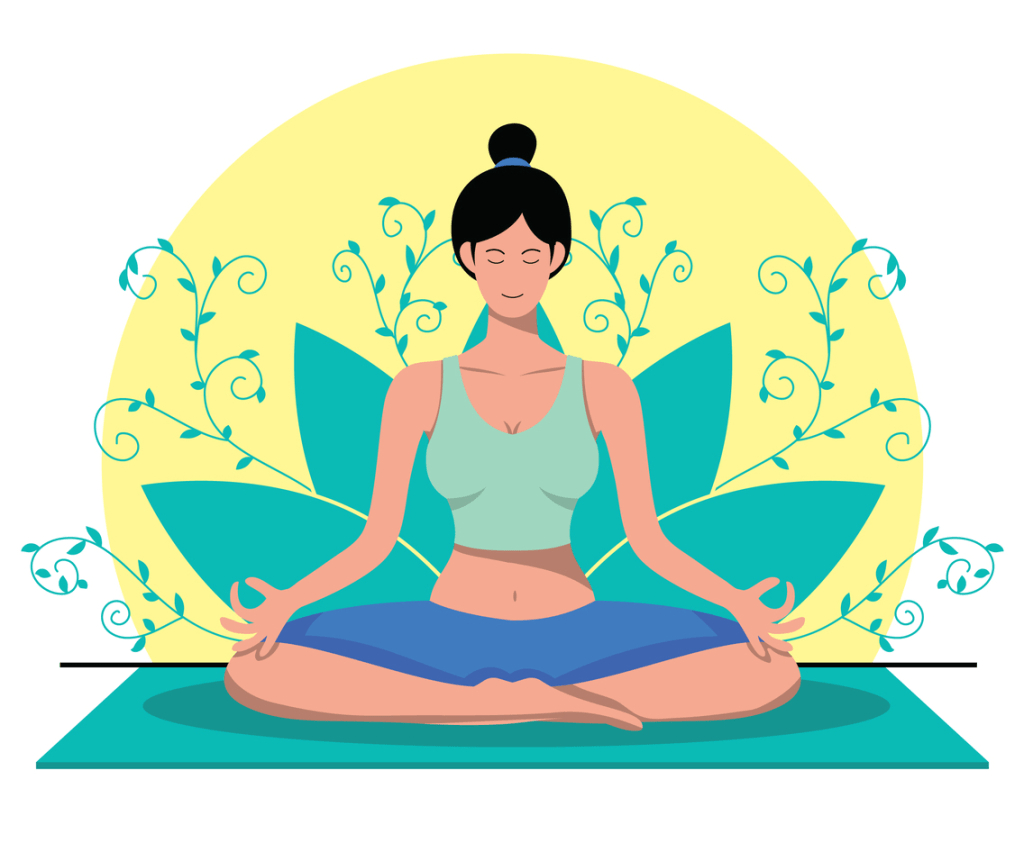
Yoga
Benefits for Mental Health:
- Stress Reduction: Yoga helps reduce stress by promoting relaxation and lowering levels of the stress hormone cortisol.
- Improved Mood: Regular yoga practice increases levels of serotonin, the hormone responsible for happiness, and can decrease symptoms of depression and anxiety.
- Enhanced Mindfulness: Yoga encourages present-moment awareness, which can help reduce rumination and improve overall mental well-being.
Athletes:
- Flexibility and Recovery: Athletes use yoga to improve flexibility, which aids in recovery and reduces the risk of injuries.
- Focus and Concentration: Yoga enhances mental focus, helping athletes stay present and improve their performance.
Practice Tips:
- Start Small: Begin with short sessions of basic poses and gradually increase duration and complexity.
- Consistency: Practice regularly, even if it’s just a few minutes each day.
- Join Classes: Attend yoga classes to learn proper techniques and stay motivated.
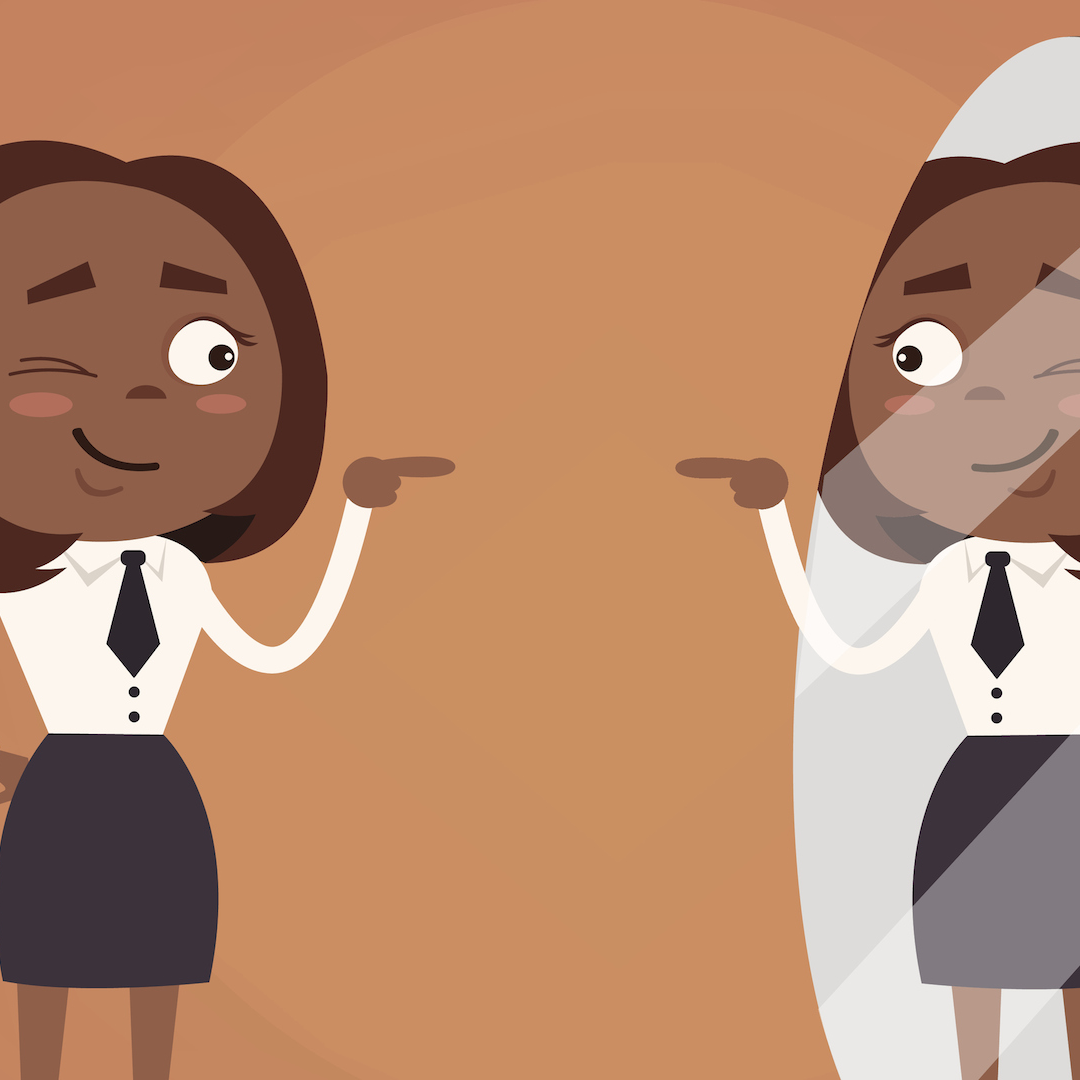
Positive Self-Talk
Benefits for Mental Health:
- Boosts Self-Esteem: Positive self-talk enhances self-confidence and helps build a more positive self-image.
- Reduces Stress: It can mitigate the effects of stress by promoting a more optimistic outlook.
- Improves Resilience: Encouraging oneself positively can enhance the ability to cope with challenges and setbacks.
Athletes:
- Performance Enhancement: Athletes use positive self-talk to maintain motivation, focus, and confidence during training and competitions.
- Coping with Pressure: It helps athletes manage performance anxiety and stay calm under pressure.
Practice Tips:
- Identify Negative Thoughts: Recognize negative self-talk patterns and challenge them.
- Replace with Positives: Replace negative thoughts with positive affirmations and constructive statements.
- Daily Affirmations: Use daily affirmations to build a habit of positive thinking.
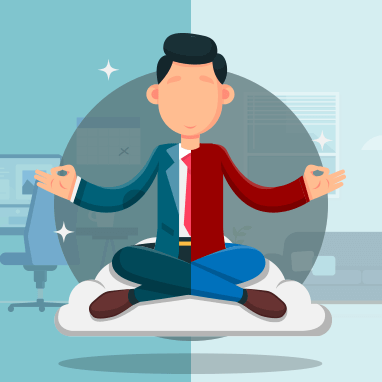
Balancing Life
Benefits for Mental Health:
- Reduces Burnout: Maintaining a healthy work-life balance prevents burnout and improves overall well-being.
- Enhances Relationships: Balancing work and personal life allows for better relationships and social connections.
- Improves Mental Clarity: A balanced life reduces stress and allows for better focus and mental clarity.
Athletes:
- Prevents Overtraining: Athletes balance training with rest and personal time to prevent overtraining and mental fatigue.
- Promotes Holistic Health: Ensures they maintain mental, emotional, and physical health.
Practice Tips:
- Set Boundaries: Clearly define work and personal time to avoid overlap.
- Prioritize Self-Care: Make time for activities that promote relaxation and enjoyment.
- Plan and Schedule: Use a planner to manage time effectively and include breaks and leisure activities.
Maintain Routines

Benefits for Mental Health:
- Stability and Predictability: Routines provide a sense of stability and predictability, reducing anxiety.
- Improved Sleep: Consistent routines, especially around sleep, improve sleep quality and overall mental health.
- Productivity and Focus: Regular routines help structure the day, enhancing productivity and focus.
Athletes:
- Structured Training: Athletes follow strict training routines to improve performance and consistency.
- Preparation and Recovery: Routines include preparation and recovery processes essential for peak performance.
Practice Tips:
- Start Simple: Begin with small, manageable routines and gradually build on them.
- Consistency is Key: Stick to routines consistently to form habits.
- Adapt as Needed: Be flexible and adjust routines as necessary to avoid rigidity.
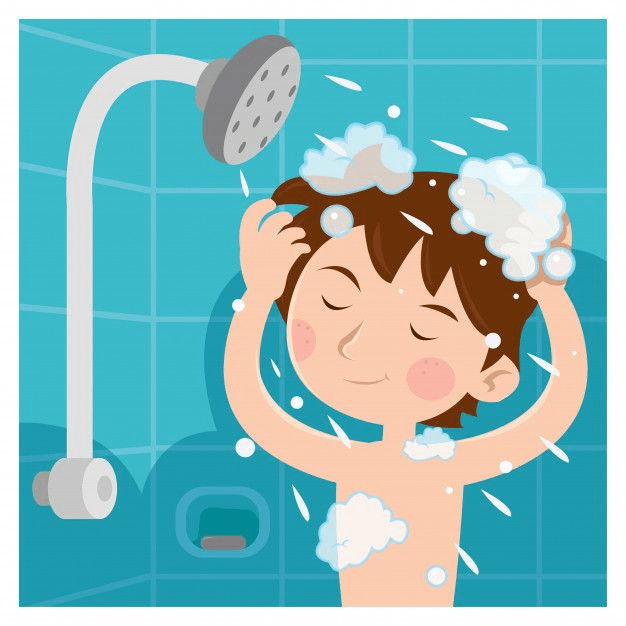
Cold Showers
Benefits for Mental Health:
- Reduces Symptoms of Depression: Cold showers can stimulate the production of noradrenaline, a chemical that helps reduce depression.
- Improves Alertness: The shock of cold water increases alertness and energy levels.
- Stress Relief: Cold exposure can reduce stress and improve resilience to stressors.
Athletes:
- Enhanced Recovery: Athletes use cold showers or ice baths to reduce muscle soreness and speed up recovery.
- Mental Toughness: Regular exposure to cold helps build mental toughness and resilience.
Practice Tips:
- Gradual Exposure: Start with lukewarm showers and gradually decrease the temperature.
- Deep Breathing: Use deep breathing techniques to manage the initial shock of cold water.
- Consistency: Incorporate cold showers regularly to build tolerance and experience benefits.
Each of these tactics can be integrated into daily life to enhance mental health, improve performance, and build resilience.
 First & Jenn
Leave a comment