
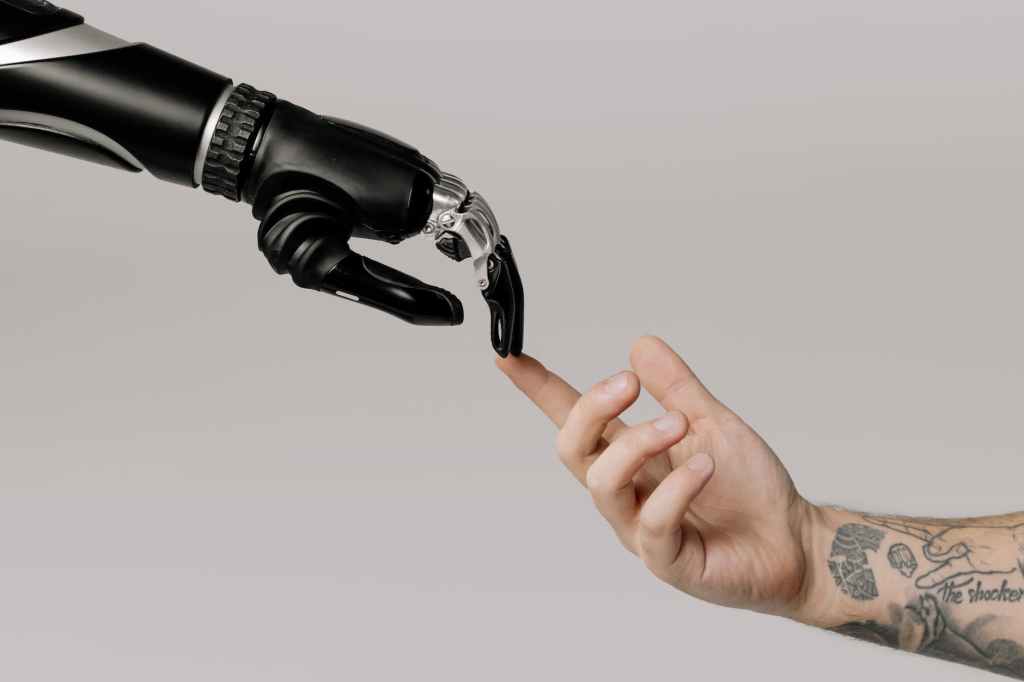
Artificial intelligence’s popularity is on the rise, as tools like ChatGPT and even Snapchat’s AI feature make for a quicker source of help. Maybe you’re looking for the best restaurant near your home, curious about fashion during World War II or looking for help writing an article.
AI has the personalized capabilities to assist a journalist, but how far is too far? Can AI take over journalism jobs?
The newsroom is a fast-paced atmosphere. Using AI in journalism can majorly decrease the time spent on day-to-day tasks journalists have to complete such as data analysis, news aggregation and fact-checking. Relying on artificial intelligence to do these simple tasks can help journalists to focus on more pressing tasks.
Journalists also have to dissect the data they have for the article they’re writing which means they need to see what patterns and insights are available from the data. Artificial intelligence can aid in uncovering trends and reveal story ideas and in-depth research journalists may have missed.
Some of the other tools that can help a journalist in their day-to-day duties include AI-powered tools that can monitor social media, online sources and other platforms. Also, these tools can help overcome language barriers and facilitate info in different regions and cultures. Some of these nuanced responsibilities can help journalists work a lot quicker and easier, delegating their own tasks to something more important.
Artificial intelligence can also help deliver personalized news experiences to individuals based on their interests or preferences. Let’s say a sports journalist wants to report on the off-season updates around the NFL. They can use AI to filter out any other news from different sports leagues. This can also enable more targeted audience and relevant content consumption.
AI systems are not perfect, however, and can make errors in data analysis or news aggregation. Moreso, if a journalist is working on a breaking news assignment or something important or complex and relies solely on artificial intelligence, there could be biased reporting or misinformation without proper editing. The use of AI in journalism can raise ethical concerns, such as privacy issues, bias and making sure AI-powered tools are used responsibly.
This is where journalists need to double-check the information they get from AI, even if they are fully confident it is true facts. This helps remove any misinformation and bias in reporting.
Will AI will take over the journalism industry? Not necessarily. The automation of certain journalistic tasks through AI could potentially lead to job losses or reduced employment opportunities for journalists. That’s not likely due to one thing that AI lacks: human connection.
AI might have the chance of taking over copyediting as some of those capabilities are currently available with ChatGPT, however, AI-powered tools may struggle to comprehend the context of certain news events, especially those that might be traumatic. This would lead to inaccurate interpretations and incomplete reporting. Journalists are still tasked with obtaining quotes and descriptions of what the event is like, something that AI is likely not able to do for the foreseeable future.
Journalism is a field that requires lots of empathy, critical thinking and investigation. Overreliance on artificial intelligence can impact the human element that is essential for great reporting.
Artificial intelligence is not likely going to take jobs in the journalism industry because it will likely always lack the human connection needed for reporting. With that in mind, journalists should take the time to double-check the facts and spend more time on the humanistic element needed for reporting stories.
 First & Jenn
Leave a comment